Deposit Payment : $2,000 federal direct deposit have lit up social media and news feeds this January, with millions of Americans hoping for quick cash relief amid stubborn inflation.
Fueled by President Trump’s tariff rebate talks and recycled stimulus rumors, claims point to IRS-issued payments hitting bank accounts soon—yet official sources stay mum, leaving folks scrambling for facts. While low-income families dream of the boost, experts warn it’s mostly hype, not policy.
Roots of the $2,000 Payment Rumor Mill
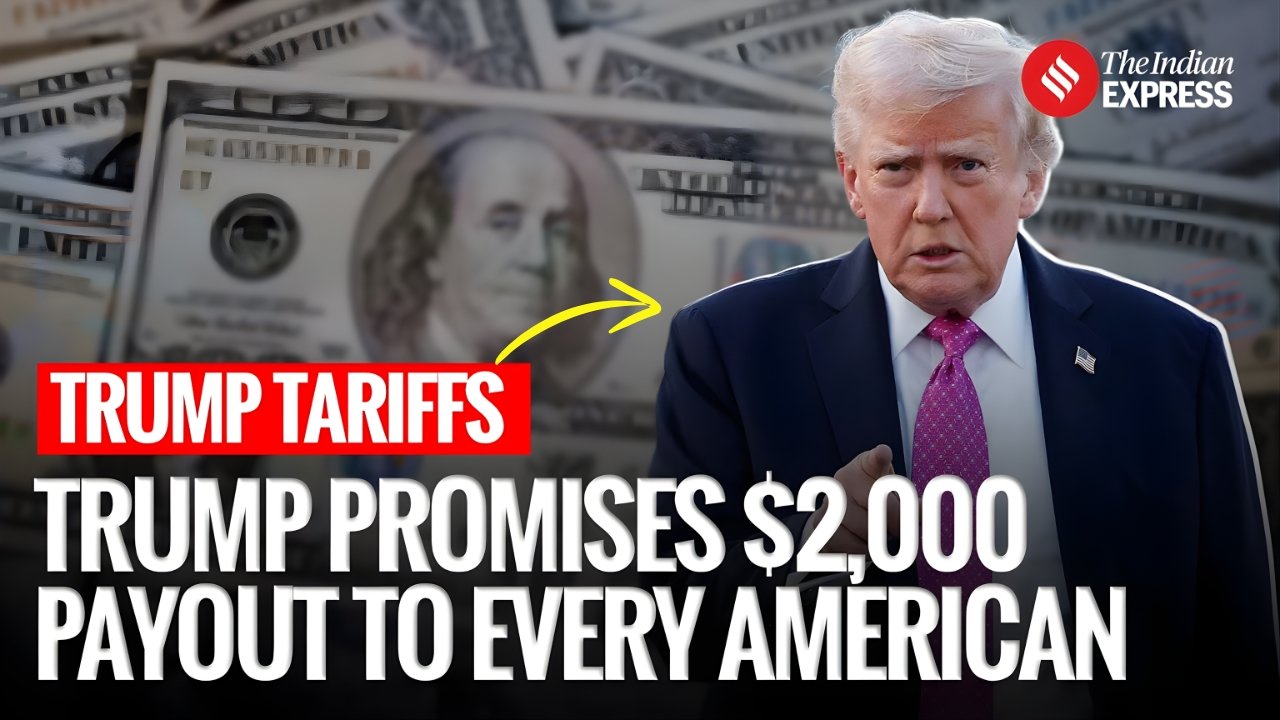
The chatter exploded late last year when Trump floated “tariff dividend” checks during campaign rallies, promising rebates from new import duties to offset costs for everyday Americans.
Social platforms buzzed with screenshots of alleged Treasury deposits labeled “Inflation Adjustment Initiative,” pegged at $2,000 for those earning under $100,000 annually.
Fact-checkers like FOX affiliates quickly debunked it as unverified, tying it to old pandemic-era stimulus echoes rather than fresh legislation.
These tales often mimic real programs, like delayed Recovery Rebate Credits from 2021 taxes landing in early 2026 accounts.
IRS data shows no blanket approval for new $2,000 checks; instead, viral sites peddle fake eligibility quizzes demanding personal info—a classic scam red flag.
Seniors and gig workers, hit hardest by rising groceries and rent, share stories of checking apps daily, only to find routine refunds misread as windfalls.
Trump’s Tariff Plan: Promise or Pipe Dream?
President Trump, back in the White House since his 2024 reelection, doubled down on tariffs in his January 2026 addresses, slapping 25% on Mexico and Canada goods to fund domestic priorities.
He teased $2,000 rebates as a “dividend” for citizens, arguing tariff revenue—projected at $300 billion yearly—could directly pad pockets without raising taxes. Critics from CNN and economic circles call it a long shot, needing Congressional buy-in that’s stalled in divided sessions.
Eligibility rumors swirl around 2024 tax filers with adjusted gross incomes below $75,000 single or $150,000 joint, plus valid SSNs—no applications needed, just automatic deposits like COVID checks.
But Treasury and IRS websites list zero such program as of mid-January, with spokespeople labeling it speculative.
Past precedents, like the $1,400 checks in 2021, required emergency acts; today’s gridlock makes repeats unlikely without crisis-level inflation spikes.
Scam Alerts Spike as Hopes Run High
Cybersecurity firms report a 40% uptick in phishing emails mimicking IRS portals, promising $2,000 status updates for clicked links or SSN shares.
Sites like wilshirehcs.org and aaronsanchezscholarshipfund.com mix half-truths with calls to “verify eligibility,” raking in data for identity theft rings. The FTC urges pinning hopes on official IRS.gov tools like “Where’s My Refund?” instead, which track legit payments only.
Real deposits around $2,000 often stem from amended returns, EITC advances, or lumped child tax credits—not mystery stimulus.
For instance, families claiming missed 2024 ACTC could see batches in January, sparking confusion. Financial advisors recommend freezing credit if suspicious activity pops up and reporting scams via IRS Imposter Alert lines.
Who Stands to Gain from Actual Federal Aid?
Absent a miracle bill, existing safety nets fill gaps: SNAP benefits rose 5% in 2026, LIHEAP aids heating bills up to $1,000, and expanded CTC previews $300 monthly per kid starting mid-year.
Trump’s team eyes work requirements for able-bodied adults, but low-income households under 150% poverty line keep full access. Veterans snag extra VA payouts, while SSDI recipients await COLA tweaks beyond Social Security’s 2.8%.
States like California and New York rolled mini-stimuli—$1,000 grants for renters—but federal scale demands bipartisan muscle.
Polls show 65% public support for rebates if tariffs fund them cleanly, pressuring lawmakers as midterms loom. Economists project if passed, payments could juice GDP by 0.5%, yet risk fueling inflation if poorly timed.
Tracking Rumors vs. Reality in Real Time
January 17 marks peak search frenzy, with Google Trends spiking “IRS $2000 deposit” nationwide. YouTube channels like Money Instructor dissect it daily, blending proposals with warnings—Trump’s “biggest tax refund yet” clips rack millions of views.
Official calendars list no mass deposit dates; tax season opens January 27 for early filers eyeing refunds by March.
Communities on Reddit’s r/StimulusCheck share bank screenshots, mostly debunked as state rebates or overpayments. Treasury Secretary nominees hint at “targeted relief” in February budgets, but $2,000 remains aspirational.
Savvy users cross-check via SSA portals or call 800-829-1040, dodging Facebook Marketplace hustles hawking “stimulus kits.”
Navigating Finances Without the Fantasy Check
Households pinching pennies track expenses via apps like Mint, prioritizing debt payoff before phantom windfalls.
Trump’s tariff rollout promises manufacturing jobs—200,000 projected in Rust Belt states—offering steadier income than one-offs. Pair that with Roth conversions or HSAs for tax perks, and families build resilience.
Experts push side hustles like Uber or Etsy amid gig economy growth, with 40% of adults freelancing per Upwork stats.
Community aid—food banks, utility moratoriums—bridges gaps better than unproven rumors. Policymakers face heat to clarify, lest trust erodes further in government lifelines.
Deposit Payment : Clarity Over Chaos Wins the Day
The $2,000 federal deposit dream captivates a nation weary of $4 gas and $5 eggs, but as January 2026 unfolds, it’s clear: no checks are en route without Congressional green lights.
Also Read this – $2,300 IRS Check Payment is released for these accounts – Check your Qualifications
Trump’s bold tariff rebate vision stirs debate, yet scams exploit the void, preying on hope. Americans fare best verifying via IRS.gov, tapping proven aids, and advocating for real reforms—turning buzz into bedrock security for the long haul.