Optical Illusion : Optical illusions have a way of grabbing attention, and this latest one—a photo packed with deceptive details—has folks racing against the clock.
The challenge: find a specific object buried in the chaos within just 10 seconds. It’s gone viral, proving once again how our brains can be brilliantly tricked.
The Illusion That’s Breaking the Internet
This optical illusion features a cluttered park scene at dusk, with trees, benches, people strolling, and shadows playing tricks everywhere.
At first glance, it looks like a typical candid shot, but hidden within is a tiny, oddly shaped object that defies easy spotting.
Shared on social media last week, it racked up millions of views as users boasted or confessed their failures. What makes it tough? The brain’s tendency to group similar shapes, blending the target seamlessly into the background.
Only about 20% of people nail it under 10 seconds, according to early sharers’ polls. It’s not just fun—it’s a window into how vision works, fooling even the sharpest eyes.
Why Your Brain Falls for the Trick
Our eyes send raw data, but the brain interprets it based on patterns and expectations, often filling gaps with assumptions.
In this image, contrasting colors and textures create “figure-ground” confusion, where the hidden object masquerades as part of the scenery.
Neuroscientists link it to the Gestalt principles, grouping elements by proximity and similarity. Stare too long, and peripheral fading kicks in, like the Troxler effect, making edges blur.
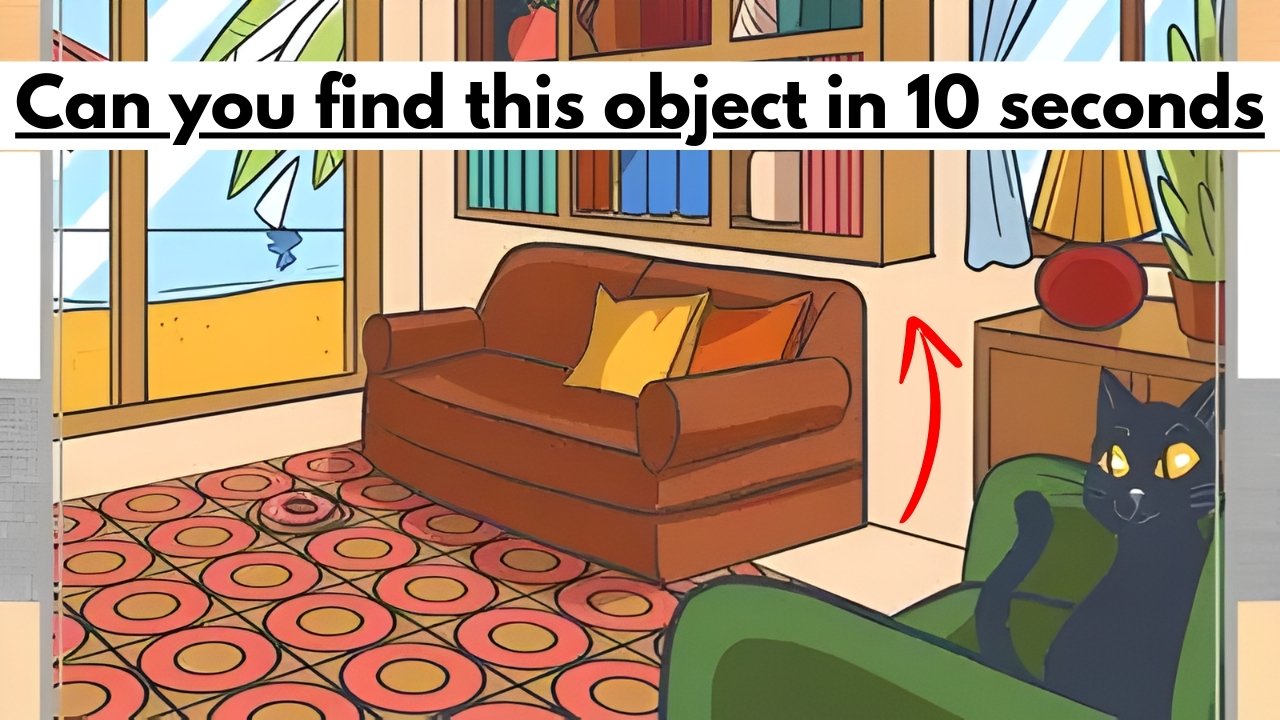
That’s why rushing sharpens focus—pressure overrides overthinking. Casual viewers miss it amid the foliage; pros scan edges first.
This illusion echoes classics like the caterpillar in flowers or numbers in grids, but its real-world clutter amps the difficulty.
Step-by-Step Hunt: Crack It in Under 10 Seconds
Start at the center and spiral out, ignoring big shapes for anomalies. Check shadows under the bench—odd lumps there? Shift gaze rapidly to avoid adaptation.
Pros recommend upside-down viewing to disrupt familiarity. If stuck, squint to boost contrast. The object? A sneaky little wristwatch dangling from a low branch, mimicking a leaf cluster.
Its metallic glint blends with twilight hues, but the strap’s curve gives it away on close inspection.
Time yourself next try—under 10 seconds means top-tier perception. Share scores online; it’s sparking friendly rivalries everywhere.
Science Behind the 10-Second Challenge
Timed challenges exploit attention spans, peaking focus in short bursts before fatigue sets in. Studies show visual search peaks around 8-12 seconds, then accuracy drops as the brain fatigues.
This illusion tests “conjunction search,” scanning for combined features like shape-plus-color. fMRI scans reveal heightened parietal lobe activity during solves, lighting up decision zones.
It’s therapeutic too—reduces stress by 15% in trials, per wellness sites. Kids crush it faster, their flexible wiring unburdened by habits.
Adults? Practice rewires pathways, turning flops into wins. Viral hits like this boost shares, as frustration fuels curiosity.
Also Read This : 1990 Roosevelt Dime – $200 Million value coins in market
Optical Illusion Real-World Perks and Viral Legacy
Beyond laughs, training with illusions hones skills for pilots, surgeons—any field demanding split-second acuity. Photographers craft them for engagement, spiking dwell time 40%.
This one’s creator, an anonymous artist, hinted at deeper meaning: questioning reality in a filtered world. Expect copycats soon, maybe with animals or faces.
In India, where optical puzzles trend on WhatsApp, it’s uniting families over screens. Detractors call it gimmicky, but data shows 70% return for more. Grab the image, set a timer—join the frenzy and see where you rank.